
Submission Guidelines
We welcome contributions to the second issue of Forensic Archive Dossier on the Rasht Grand Bazaar fire and massacre, focusing on what took place on January 8 and 9, 2026.
Rasht Grand Bazaar is not only a commercial space. It is a living urban archive: a site of memory, labor, intergenerational livelihood, local identity, food culture, craft, architecture, and everyday social life. Its destruction cannot be understood only as damage to buildings or economic infrastructure. It must also be documented as a human, cultural, and social wound.
This special dossier seeks to gather evidence, testimony, and analysis from those directly and indirectly affected, including victims, survivors, witnesses, shopkeepers, local residents, heritage workers, researchers, lawyers, journalists, artists, and members of the Iranian diaspora.
The dossier is envisioned as a hybrid public archive, publication, and curatorial project. Through testimony, documentation, research, and artistic responses, it seeks to preserve evidence, support collective memory, encourage critical reflection, and create a lasting public record of the Rasht Grand Bazaar fire and massacre. Selected materials may contribute to future digital and physical exhibitions, publications, and public programming.
The project is being developed with support from the network of volunteers at Forensic Archive of Iran, with particular attention to the careful and ethical collection of testimonies. We welcome contributions from both specialists and members of the general public. No prior academic, artistic, or professional experience is required to participate.
We are collecting:
1. Testimonies from victims, witnesses, and affected communities
We invite written, audio, or recorded testimonies from people who experienced, witnessed, documented, or were affected by the Rasht Grand Bazaar fire and massacre.
This may include:
shopkeepers, workers, or families whose livelihoods were affected
witnesses present during or after the incident
residents of Rasht with direct knowledge of the event
people who documented the fire, violence, destruction, or aftermath
relatives of victims
emergency responders, journalists, or local observers
members of the Rasht community in Iran or in exile
The safety, dignity, and consent of contributors will be treated as central to the project.
2. Visual and documentary evidence
We welcome:
photographs
videos
screenshots
social media posts
maps
witness notes
media reports
official statements
architectural or urban documentation
before-and-after images
material relating to damaged shops, structures, archives, goods, or objects
Please include, where possible, the date, location, source, and any available context for the material. If you are unsure whether something is relevant, you may still contact us.
3. Analytical and research contributions
We also invite case studies and research-based contributions, including but not limited to:
the history and cultural significance of Rasht Grand Bazaar
the bazaar as urban heritage and social infrastructure
the relationship between fire, violence, and cultural destruction
state negligence, responsibility, or suppression of information
the targeting or abandonment of civic and heritage spaces
legal analysis relating to human rights, culturecide, or accountability
memory, mourning, and public testimony
the role of bazaars in Iranian civic life
Gilan’s regional heritage, identity, and political history, which may relate to this case
the ethics of documenting violence and destruction from exile
risk assessment and accountability relating to public mobilization, protest calls, and political advocacy during periods of crisis
epistemic violence, silencing, misinformation, and the production or suppression of knowledge about the event
responses, non-responses, and interpretations of actions taken by international heritage, cultural, and human rights organizations
heritage diplomacy, international responsibility, and the limits of existing protection frameworks
4. Reflective writing and personal accounts
While documentation and testimony remain central to this dossier, we recognize that violence, loss, displacement, and memory are not always fully captured through evidentiary records alone. Reflective writing provides an opportunity to record personal experiences, observations, emotions, and forms of witnessing that may otherwise remain undocumented.
reflective essays
diary entries
personal letters to individuals, communities, or future generations
memoir fragments
personal accounts
witness reflections
community memories
writings on grief, mourning, survival, and recovery
reflections on the significance of Rasht Grand Bazaar in everyday life
writings exploring memory, identity, belonging, and loss
5. Artistic Contributions
The Forensic Archive of Iran recognizes artistic practice as a legitimate form of witnessing and public engagement. We welcome creative responses that engage with the themes of heritage, violence, memory, disappearance, survival, and civic life in relation to the Rasht Grand Bazaar fire and massacre.
photography and photo essays
drawings
maps and visualizations
painting
sculpture
installation and site-specific artistic responses
printmaking
mixed-media work
digital artworks
video and moving-image works
poetry
fiction and creative prose
Suggested formats
Testimonies: written, audio, or recorded, of any length
Short written pieces: 800–1,500 words
Longer essays: 1,500–3,000 words
Visual work: please include a short description of 100–300 words
Evidence submissions: please include as much contextual information as safely possible
Submissions may be in Farsi or English. Translation support may be considered where possible.
We also welcome submissions that fall outside the categories listed above but engage meaningfully with themes of memory, loss, heritage, community, documentation, or lived experience connected to Rasht Grand Bazaar and its aftermath. If you are unsure whether your contribution is suitable, we encourage you to contact us.
Safety, consent, and anonymity
Because this dossier involves testimony and potential evidence of violence, contributors may submit materials anonymously or under a pseudonym.
The Forensic Archive of Iran will not publish identifying details without explicit consent. Testimonies and evidence may be reviewed before publication to protect contributors, witnesses, victims, and families.
Before public release, sensitive material may be redacted, anonymized, or withheld if publication could create risk.
How to contribute
Please contact:
info@forensicarchiveofiran.com
Suggested subject lines:
Rasht Dossier — Testimony
Rasht Dossier — Evidence
Rasht Dossier — Research & Analysis
Rasht Dossier — Reflections
Rasht Dossier — Artistic Contribution
Please include, where relevant:
your name or pseudonym
whether you wish to remain anonymous
your relationship to Rasht, the bazaar, or the incident
your testimony, evidence, or proposed contribution
any safety concerns we should be aware of
whether you consent to publication, internal review only, or follow-up contact
Editorial note
The Rasht Grand Bazaar dossier is part of the Forensic Archive of Iran’s broader work documenting cultural destruction, civic loss, and heritage endangerment under conditions of violence, state opacity, and political instability.
This dossier does not treat heritage as separate from human life. The destruction of a bazaar is also the destruction of livelihoods, memory, public space, and the social worlds that make a city live.
Please note that all contributions will be subject to a review process and editorial refinement prior to publication.
راهنمای ارسال مطالب
ما از مشارکتها برای شماره دوم پروندههای آرشیو قضایی ایران درباره آتشسوزی و کشتار بازار بزرگ رشت استقبال میکنیم؛ با .تمرکز بر آنچه در روزهای ۸ و ۹ ژانویه ۲۰۲۶ (۱۸ و ۱۹ دی ماه ۱۴۰۴) رخ داد
بازار بزرگ رشت صرفاً یک فضای تجاری نیست. این بازار یک آرشیو زندهٔ شهری است؛ مکانی برای حافظه، کار، معیشت نسلها، هویت محلی، فرهنگ غذایی، صنایع دستی، معماری و زندگی اجتماعی روزمره. تخریب آن را نمیتوان تنها بهعنوان آسیب به ساختمانها یا زیرساختهای اقتصادی درک کرد. این رویداد باید بهعنوان زخمی انسانی، فرهنگی و اجتماعی نیز مستندسازی شود.
این پروندهٔ ویژه در پی گردآوری شواهد، روایتها و تحلیلهای افرادی است که بهطور مستقیم یا غیرمستقیم تحت تأثیر این رویداد قرار گرفتهاند؛ از جمله آسیبدیدگان، بازماندگان، شاهدان، کسبه، ساکنان محلی، فعالان میراث فرهنگی، پژوهشگران، وکلا، روزنامهنگاران، هنرمندان و اعضای جامعهٔ ایرانیان خارج از کشور.
این پرونده بهعنوان یک آرشیو عمومی، نشریه و پروژهٔ کیوریتوریال طراحی شده است. از طریق گردآوری روایتها، اسناد، پژوهشها و پاسخهای هنری، هدف آن حفظ شواهد، تقویت حافظهٔ جمعی، ایجاد امکان تأمل انتقادی و ثبت ماندگار این رویداد در حافظهٔ عمومی است. بخشی از مطالب منتخب ممکن است در نمایشگاههای فیزیکی و دیجیتال، انتشارات و برنامههای عمومی آینده مورد استفاده قرار گیرند.
این پروژه با همکاری شبکهٔ داوطلبان آرشیو قضایی ایران و با توجه ویژه به گردآوری اخلاقی و مسئولانهٔ روایتها و شهادتها توسعه یافته است. ما از مشارکت متخصصان و همچنین اعضای عموم مردم استقبال میکنیم. برای مشارکت در این پروژه هیچگونه پیشینهٔ دانشگاهی، هنری یا حرفهای الزامی نیست
شهادتهای قربانیان، شاهدان، و جوامع آسیبدیده
ما از شهادتهای نوشتاری، صوتی، یا ضبط شده از افرادی دعوت میکنیم که آتشسوزی و کشتار بازار بزرگ رشت را تجربه کردهاند، شاهد آن بودهاند، آن را مستند کردهاند، یا تحت تأثیر آن قرار گرفتهاند.
این موارد میتواند شامل افراد زیر باشد:
مغازهداران، کارگران، یا خانوادههایی که معیشت آنان آسیب دیده است
شاهدانی که هنگام حادثه یا پس از آن در محل حضور داشتهاند
ساکنان رشت که شناخت مستقیم از این رخداد دارند
افرادی که آتشسوزی، خشونت، تخریب، یا پیامدهای آن را مستند کردهاند
بستگان قربانیان
نیروهای امدادی، روزنامهنگاران، یا ناظران محلی
اعضای جامعه رشت در ایران یا در تبعید
امنیت، کرامت، و رضایت مشارکتکنندگان در مرکز این پروژه قرار خواهد داشت
شواهد تصویری و اسنادی
ما از موارد زیر استقبال میکنیم:
عکسها، ویدئوها، اسکرینشاتها
پستهای شبکههای اجتماعی
نقشهها
یادداشتهای شاهدان
گزارشهای رسانهای
بیانیههای رسمی
مستندات معماری یا شهری
تصاویر پیش و پس از حادثه
مطالب مرتبط با مغازهها، سازهها، آرشیوها، کالاها، یا اشیای آسیبدیده
لطفاً در صورت امکان، تاریخ، مکان، منبع، و هرگونه زمینه موجود درباره اثر یا سند را نیز درج کنید. اگر مطمئن نیستید که چیزی مرتبط است یا نه، همچنان میتوانید با ما تماس بگیرید
مشارکتهای تحلیلی و پژوهشی
ما همچنین از مطالعات موردی و مشارکتهای پژوهشمحور استقبال میکنیم، از جمله اما نه محدود به:
تاریخ و اهمیت فرهنگی بازار بزرگ رشت
بازار بهعنوان میراث شهری و زیرساخت اجتماعی
رابطه میان آتشسوزی، خشونت، و تخریب فرهنگی
سهلانگاری، مسئولیت، یا سرکوب اطلاعات از سوی حکومت
هدفگیری یا رهاسازی فضاهای مدنی و میراثی
تحلیل حقوقی مرتبط با حقوق بشر، پاکسازی فرهنگی، یا پاسخگویی
حافظه، سوگواری، و شهادت عمومی
نقش بازارها در زندگی مدنی ایرانیان
میراث منطقهای، هویت، و تاریخ سیاسی گیلان، در صورتی که با این پرونده مرتبط باشد
اخلاق مستندسازی خشونت و تخریب از تبعید
ارزیابی ریسک و پاسخگویی در ارتباط با بسیج عمومی، فراخوانهای اعتراضی، و کنشگری سیاسی در دورههای بحران
خشونت معرفتی، خاموشسازی، اطلاعات نادرست، و تولید یا سرکوب دانش درباره این رخداد
پاسخها، بیپاسخیها، و تفسیر اقدامات نهادهای بینالمللی میراثی، فرهنگی، و حقوق بشری
دیپلماسی میراث، مسئولیت بینالمللی، و محدودیتهای چارچوبهای حفاظتی موجود
نوشتههای تأملی و روایتهای شخصی
در حالی که مستندسازی و شهادت در مرکز این پرونده قرار دارند، ما به رسمیت میشناسیم که خشونت، فقدان ثبات، و حافظه همواره تنها از طریق اسناد و مدارک قابل ثبت نیستند. نوشتار تأملی فرصتی فراهم میکند برای ثبت تجربههای شخصی، مشاهدات، احساسات، و شکلهایی از شهادت که ممکن است در غیر این صورت مستند نشوند.
مقالههای تأملی
یادداشتهای روزانه
نامههای شخصی خطاب به افراد، جوامع، یا نسلهای آینده
بخشهایی از خاطرات
روایتهای شخصی
تأملات شاهدان
حافظههای جمعی
نوشتههایی درباره اندوه، سوگواری، بقا، و ترمیم
تأملاتی درباره اهمیت بازار بزرگ رشت در زندگی روزمره
نوشتههایی که حافظه، هویت، تعلق، و فقدان را بررسی میکنند
مشارکتهای هنری
آرشیو قضایی ایران، عمل هنری را بهعنوان شکلی مشروع از شهادت و مشارکت عمومی به رسمیت میشناسد. ما از پاسخهای خلاقانهای استقبال میکنیم که با مضامین میراث، خشونت، حافظه، ناپدیدشدن، بقا، و زندگی مدنی در ارتباط با آتشسوزی و کشتار بازار بزرگ رشت درگیر میشوند.
عکاسی و جستارهای تصویری
طراحیها
نقشهها و تصویرسازیهای دادهمحور
نقاشی
مجسمه
چیدمان و پاسخهای هنری مکانمحور
چاپ دستی
آثار ترکیبی
آثار هنری دیجیتال
ویدئو و آثار تصویر متحرک
شعر
داستان و نثر خلاق
قالبهای پیشنهادی
شهادتها: نوشتاری، صوتی، یا ضبطشده، با هر میزان طول
نوشتههای کوتاه: ۸۰۰ تا ۱,۵۰۰ کلمه
مقالههای بلندتر: ۱,۵۰۰ تا ۳,۰۰۰ کلمه
آثار تصویری: لطفاً توضیح کوتاهی در حدود ۱۰۰ تا ۳۰۰ کلمه ضمیمه کنید
ارسال شواهد: لطفاً تا حدی که از نظر امنیتی ممکن است، اطلاعات زمینهای را درج کنید
ما همچنین از آثاری استقبال میکنیم که خارج از دستهبندیهای بالا قرار میگیرند، اما بهطور معنادار با مضامین حافظه، فقدان، میراث، جامعه، مستندسازی، یا تجربه زیسته مرتبط با بازار بزرگ رشت و پیامدهای آن درگیر میشوند. اگر مطمئن نیستید که مشارکت شما مناسب است، با ما تماس بگیرید.
امنیت، رضایت، و ناشناسماندن
از آنجا که این پرونده شامل شهادت و شواهد احتمالی درباره خشونت است، مشارکتکنندگان میتوانند آثار خود را بهصورت ناشناس یا با نام مستعار ارسال کنند.
آرشیو قضایی ایران هیچگونه اطلاعات هویتی را بدون رضایت صریح منتشر نخواهد کرد. شهادتها و شواهد ممکن است پیش از انتشار بررسی شوند تا از مشارکتکنندگان، شاهدان، قربانیان، و خانوادهها محافظت شود.
پیش از انتشار عمومی، مطالب حساس ممکن است حذف، ناشناسسازی، یا از انتشار بازداشته شوند، اگر انتشار آنها خطر ایجاد کند.
نحوه مشارکت
لطفاً با ما تماس بگیرید:
info@forensicarchiveofiran.com
موضوعات پیشنهادی ایمیل:
پرونده رشت — شهادت
پرونده رشت — شواهد
پرونده رشت — پژوهش و تحلیل
پرونده رشت — تأملات
پرونده رشت — مشارکت هنری
لطفاً در صورت ارتباط، موارد زیر را درج کنید:
نام یا نام مستعار شما
اینکه آیا مایلید ناشناس بمانید یا خیر
رابطه شما با رشت، بازار، یا رخداد
شهادت، شواهد، یا مشارکت پیشنهادی شما
هرگونه نگرانی امنیتی که باید از آن آگاه باشیم
اینکه آیا با انتشار، بررسی داخلی، یا تماس پیگیری موافقت دارید یا خیر
یادداشت سردبیری
پرونده بازار بزرگ رشت بخشی از کار گستردهتر آرشیو قضایی ایران در مستندسازی تخریب فرهنگی، فقدان مدنی، و بهخطر افتادن میراث در شرایط خشونت، ابهام حکومتی، و بیثباتی سیاسی است.
این پرونده، میراث را جدا از زندگی انسانی در نظر نمیگیرد. نابودی یک بازار، نابودی معیشتها، حافظه، فضای عمومی، و جهانهای اجتماعیای نیز هست که یک شهر را زنده نگه میدارند.
لطفاً توجه داشته باشید که همه مشارکتها پیش از انتشار، مشمول فرایند بررسی و ویرایش سردبیری خواهند بود
Project Team
-
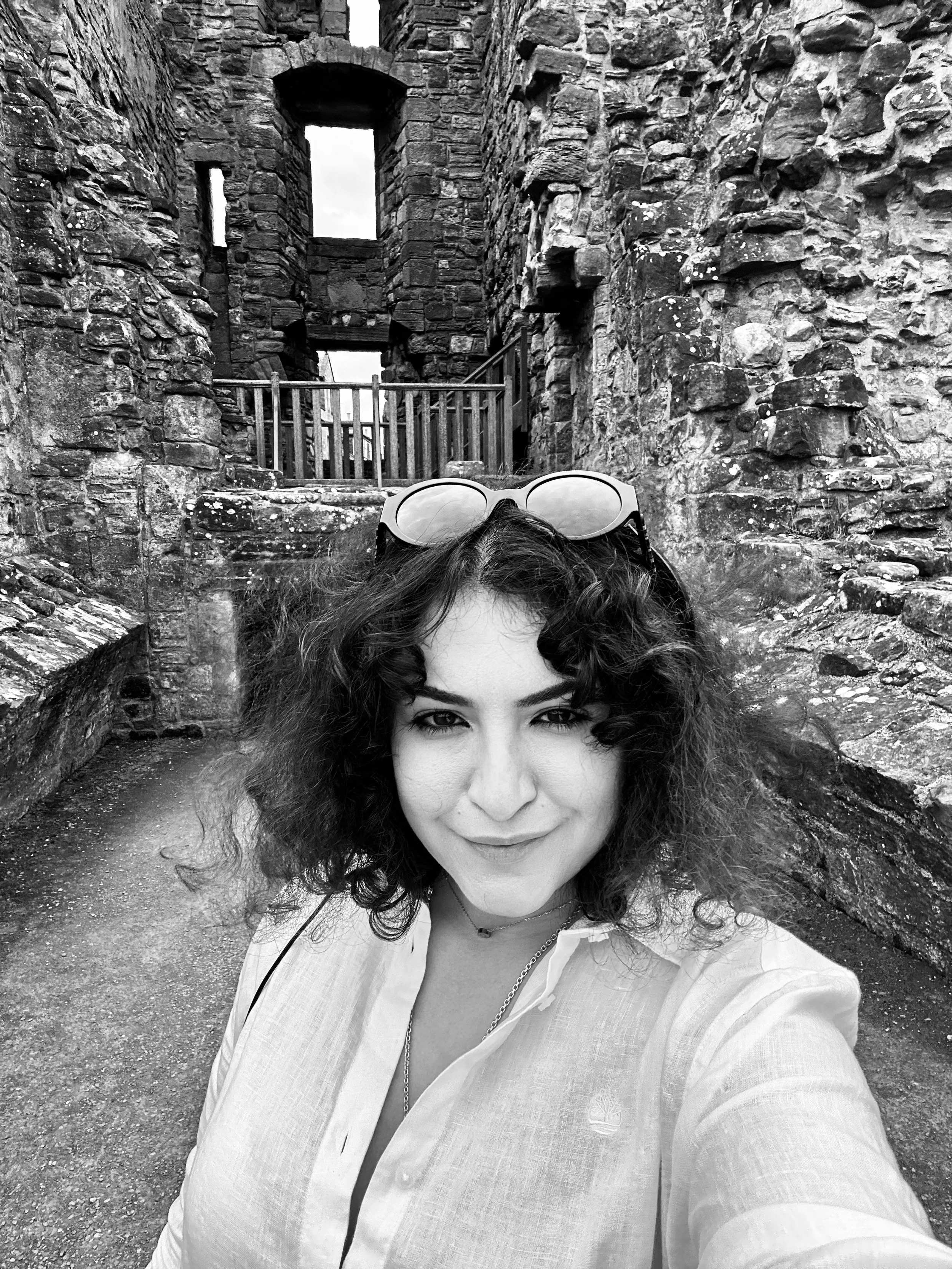
Romina Frohar
Founder & Project Lead
-
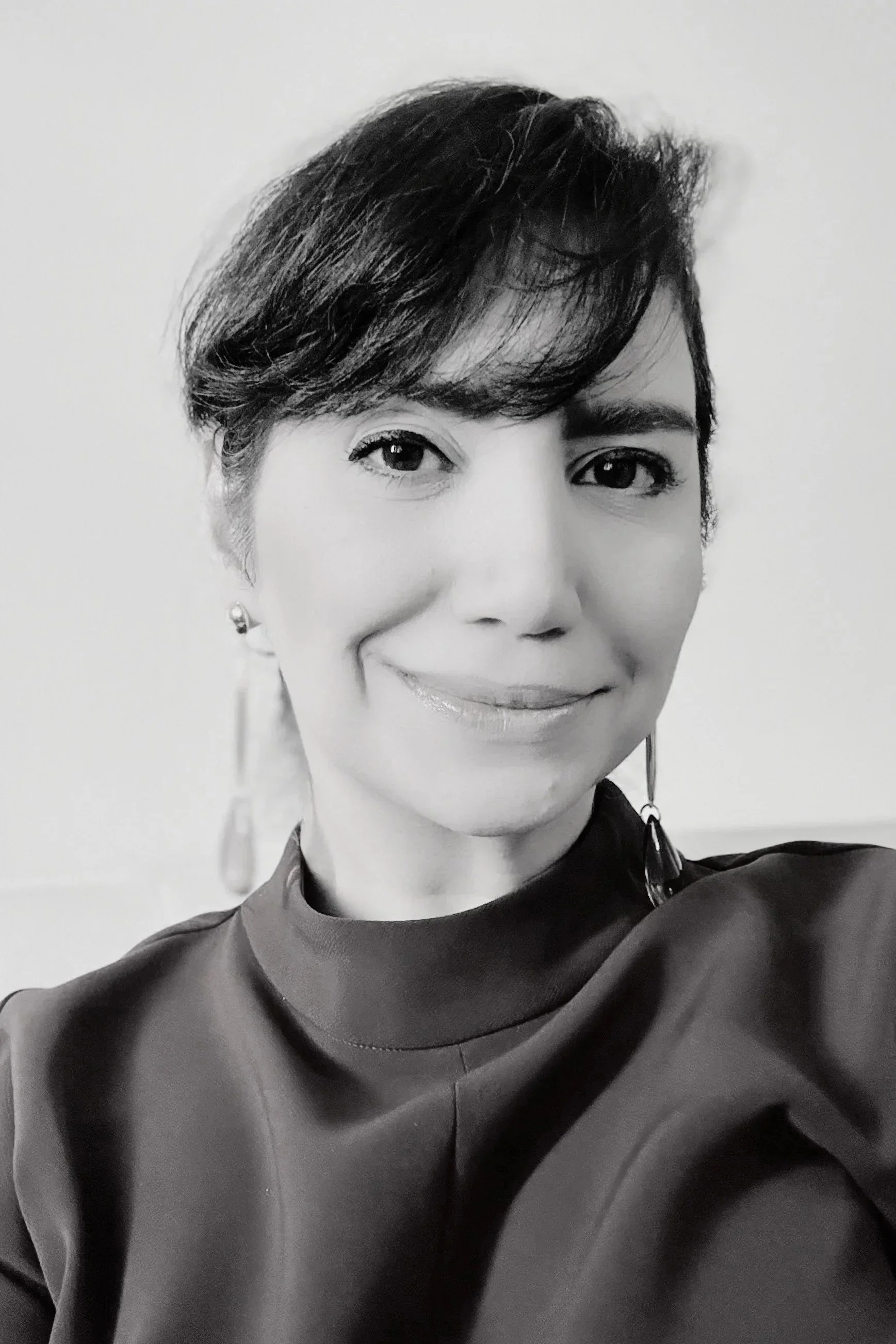
Shabnam Balouch
Heritage & Curatorial Advisor
-
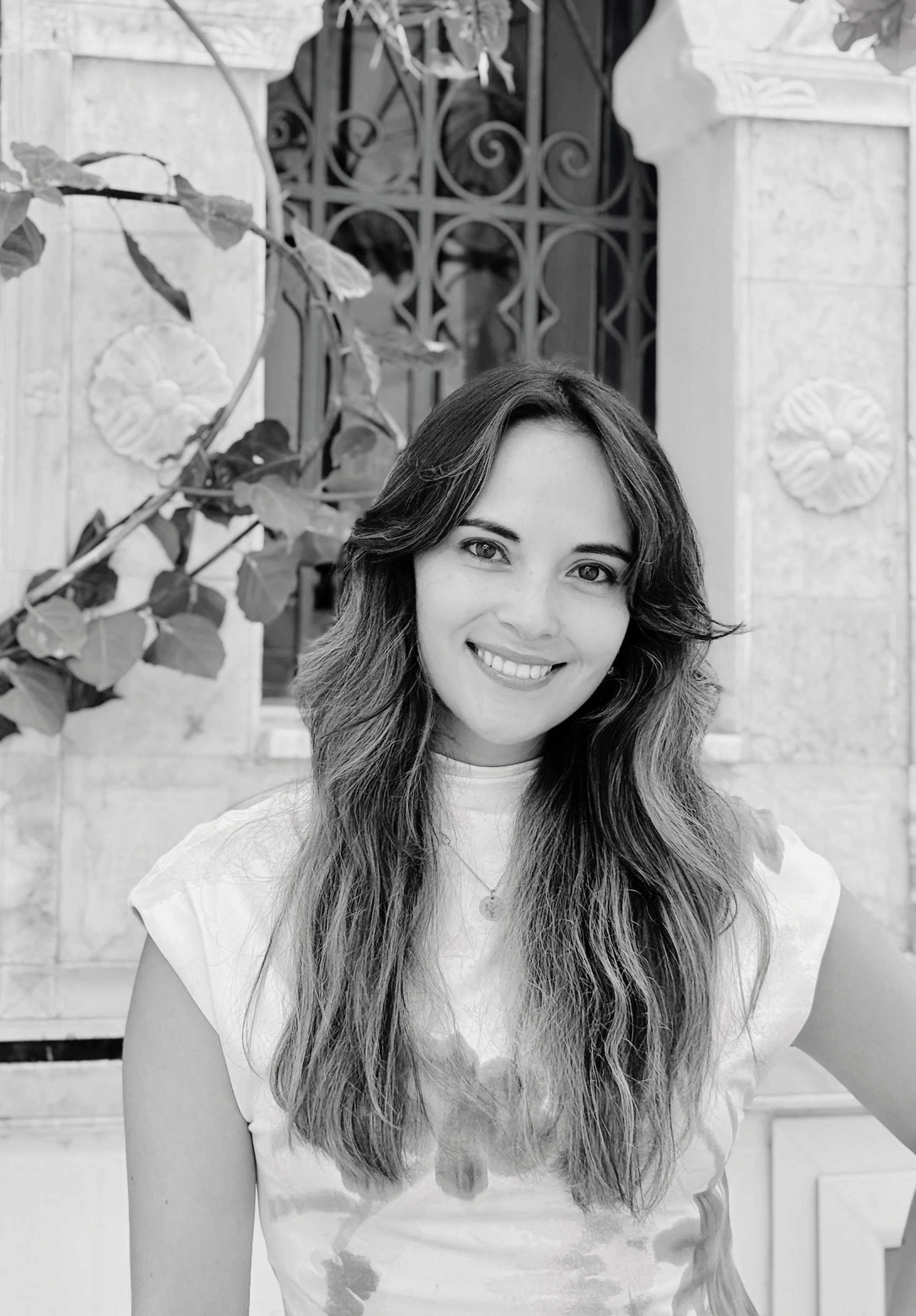
Gretel Mejía
Human Rights Advisor